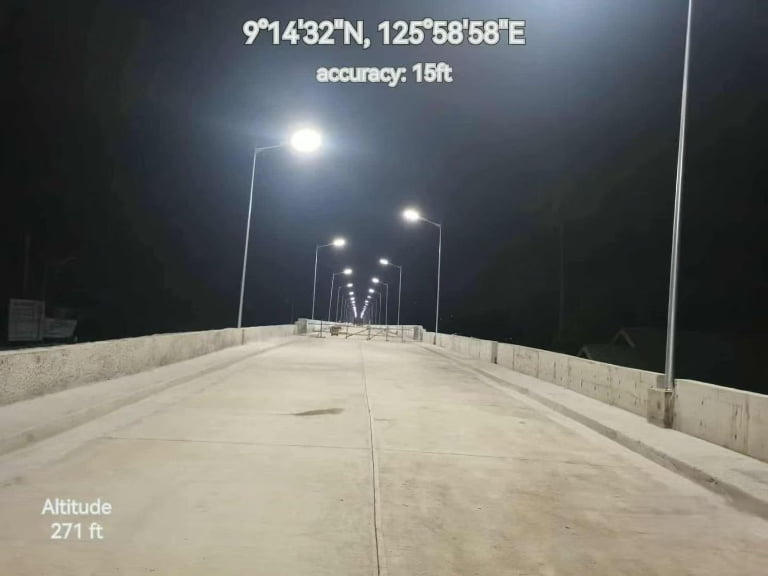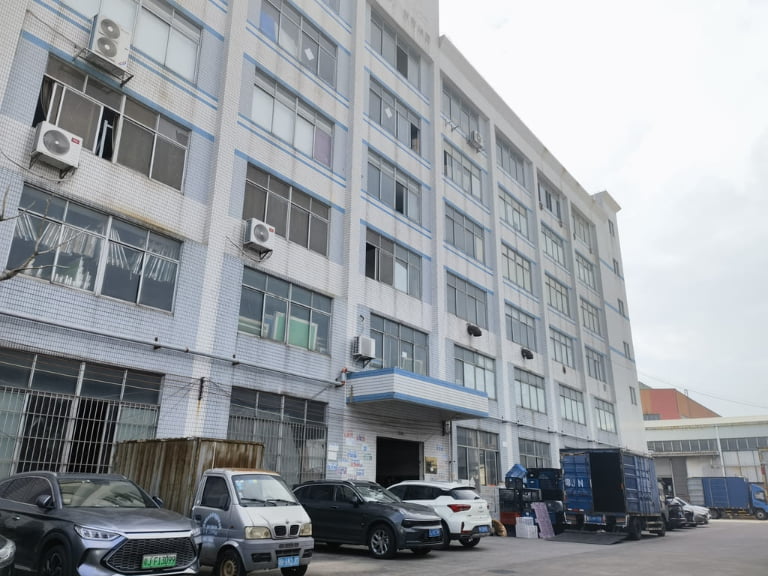
Solar street light?
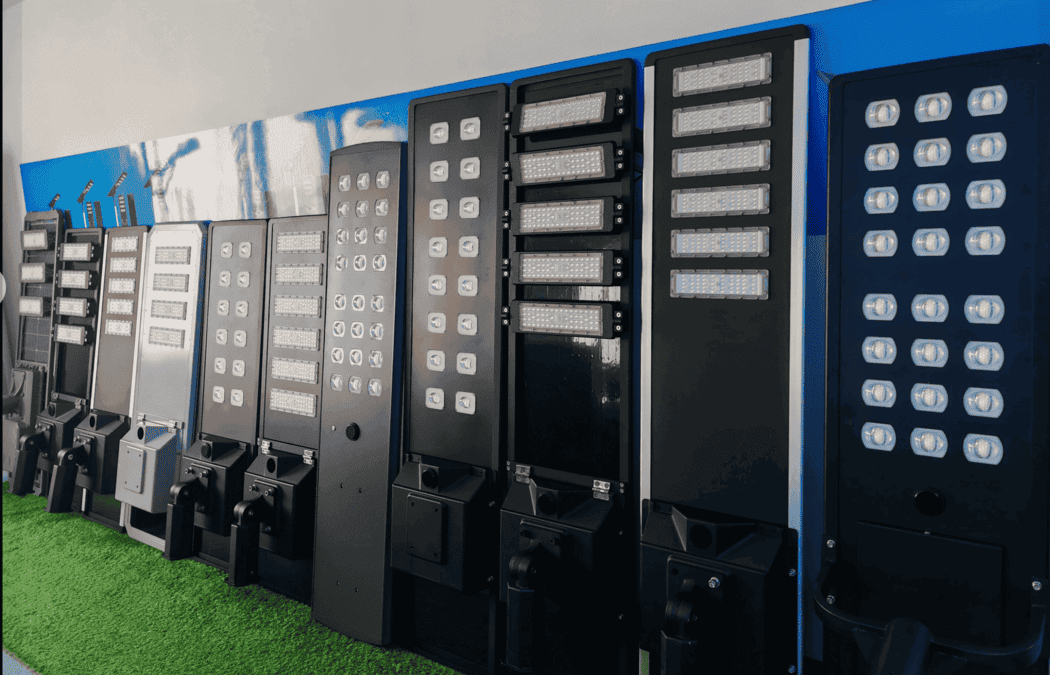
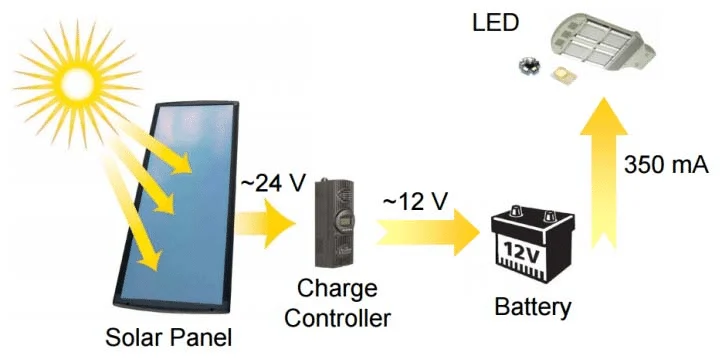
A solar street light is a self-contained lighting system that harnesses solar energy during the day to power an LED lamp at night. These innovative lighting solutions consist of a solar panel, a rechargeable battery, an LED fixture, and a charge controller, all working together to deliver sustainable, off-grid illumination for streets, pathways, and public areas without the need for trenching or electricity bills.
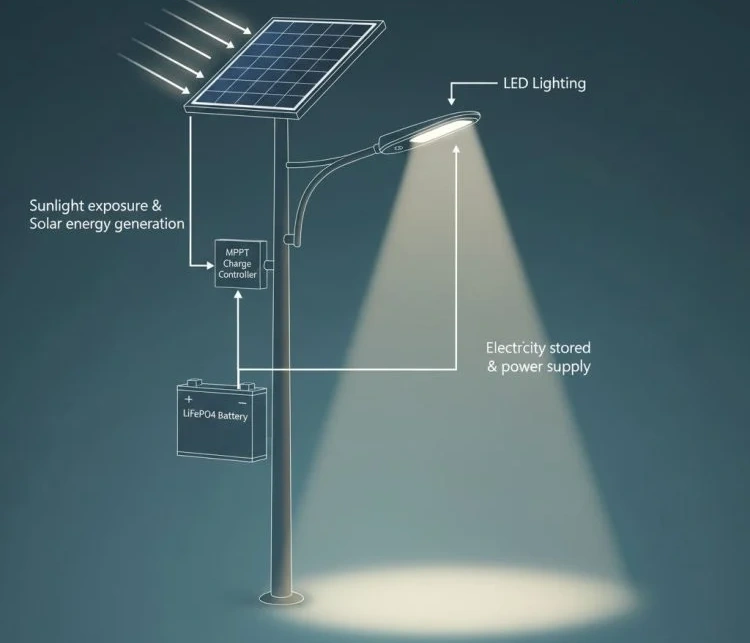
What Exactly Are Solar Street Lights and How Do They Work?
Traditional lighting requires extensive trenching and grid connection. This can lead to delays and increased infrastructure costs. Solar street lights eliminate these complexities, offering a self-sufficient system that powers itself.
Solar street lights are autonomous lighting units designed to illuminate outdoor areas using energy collected from the sun.[^1] They operate by converting sunlight into electricity via photovoltaic panels, storing this energy in batteries, and then deploying it to power high-efficiency LED luminaires from dusk till dawn.
Solar Panel (Photovoltaic Module)
This is where the journey begins. The solar panel, typically mounted atop the pole, absorbs sunlight during the day. It converts solar radiation into direct current (DC) electricity through the photovoltaic effect.[^2] The size and efficiency of the panel are critical; they determine how much energy can be harvested, especially important in regions with varying sunlight intensity. We carefully size these panels based on location and lamp requirements, drawing on our over 10 years of global market expertise to meet diverse lighting standards. For instance, a project in a high-insolation area might require a smaller panel than one in a cloudier region to achieve the same lighting duration.
Rechargeable Battery
The electricity generated by the solar panel isn't used immediately; it's stored. High-capacity, deep-cycle batteries—usually Lithium-ion or LiFePO4—are crucial for storing this energy. They ensure the LED light can operate consistently through the night, even after several cloudy days. The battery's capacity dictates the system's "autonomy," meaning how many nights it can run without fresh solar charge. Our advanced battery management systems (BMS) are designed to maximize battery life and performance, a key factor we prioritize in our product development, alongside our owned solar charge controllers.
LED Light Fixture (Luminaire)
This is the part that actually emits light. Modern solar street lights almost exclusively use LED (Light Emitting Diode) technology. LEDs are highly energy-efficient, durable, and offer excellent lumen output with minimal power consumption, making them ideal for solar applications. They have a long lifespan, reducing maintenance needs significantly. We develop custom LED luminaires, ensuring optimal brightness and distribution tailored for specific project needs, whether for a solar flood light or a complete roadway system.
Charge Controller
Often overlooked but incredibly vital, the charge controller is the "brain" of the solar street light. It regulates the flow of electricity from the solar panel to the battery, preventing overcharging and deep discharging, which can damage the battery. It also manages the light's operation, turning it on at dusk and off at dawn, and can implement dimming schedules to conserve energy. Our proprietary solar charge controllers are designed to optimize energy usage and extend the system's overall lifespan, reflecting our commitment to quality and product development.
Pole and Mounting Hardware
While seemingly basic, the pole provides the structural support for all components. It must be robust enough to withstand local weather conditions, including wind loads. The mounting hardware ensures the solar panel is angled correctly for maximum sun exposure and the LED fixture provides optimal light distribution. We offer flexible solutions, including custom engineering, to ensure seamless integration into any project environment.
How They Work, Day and Night:
- Daytime: The solar panel converts sunlight into DC electricity. The charge controller directs this power to the battery for storage, while also preventing overcharging.
- Nighttime: As daylight fades, the charge controller detects the drop in ambient light and activates the LED fixture, drawing power from the fully charged battery. The light typically stays on for a programmed duration, often with dimming schedules implemented during off-peak hours to conserve energy.
- Continuous Cycle: This cycle repeats daily, making the system entirely self-sufficient and independent of the electrical grid. This off-grid capability is a game-changer for remote locations or areas with unreliable power supply.
Why Should You Consider Solar Street Lights for Your Projects?
Choosing solar street lights for your projects brings significant benefits, including substantial long-term cost savings, reduced environmental impact through renewable energy use, enhanced safety in off-grid locations, and simplified installation compared to conventional grid-tied systems.
Unlocking the Advantages for Your Business
As an OEM/ODM supplier specializing in solar outdoor lighting, I've seen how strategically implemented solar street lights can deliver immense value to our B2B partners, from light wholesalers to EPC contractors and even government projects. These aren't just lights; they're investments in sustainability, efficiency, and long-term profitability.
1. Significant Cost Savings
With traditional street lighting, you face not only the upfront cost of installation (which includes extensive civil works like trenching and cabling) but also recurring electricity bills for decades. Solar street lights eliminate both.
- Zero Electricity Bills: Once installed, the energy source (the sun) is free. This provides predictable operational costs over the system's lifespan.
- Reduced Installation Costs: No need for costly trenching or connecting to the grid.[^3] This drastically cuts down on labor, materials, and machinery required for installation, leading to faster deployment. For a project requiring dozens or hundreds of lights, these savings are substantial.
2. Environmental Sustainability
In today's world, environmental responsibility is not just a trend; it's a necessity. Solar street lights are at the forefront of sustainable infrastructure:
- Reduced Carbon Footprint: They rely on a clean, renewable energy source (sunlight) and produce zero emissions during operation. This helps businesses and governments meet their sustainability goals and appeals to environmentally conscious communities.
- Energy Independence: They reduce reliance on fossil fuels and vulnerable centralized power grids, contributing to energy security.
3. Enhanced Reliability and Safety
Imagine a power outage. Traditional street lights go dark, potentially compromising safety.
- Off-Grid Operation: Since each solar street light is self-sufficient, a grid outage will not affect its operation. This makes them ideal for remote areas, critical infrastructure, and emergency lighting, ensuring consistent illumination.
- Improved Public Safety: Well-lit streets deter crime and improve visibility for pedestrians and drivers, especially vital in areas where grid expansion is cost-prohibitive or impossible.
4. Low Maintenance and Longevity
Modern solar street lights are designed for durability and minimal upkeep.
- Long-Life Components: LED lights have a lifespan of 50,000 to 100,000 hours. High-quality solar panels can last 25 years or more. Lithium batteries are designed for thousands of cycles.
- Reduced Servicing: With fewer moving parts and no fuel requirements, maintenance is typically limited to occasional cleaning of solar panels and periodic battery checks. This translates to lower operational expenditure for our partners.
5. Rapid and Flexible Deployment
When project timelines are tight, speed matters.
- Quick Installation: Without the need for complex grid connections, solar street lights can be installed much faster than conventional lights. This is particularly beneficial for temporary installations, rapid infrastructure development, or projects in challenging terrain.
- Versatile Applications: Their independence makes them suitable for a vast array of applications – from main roads and highways to parks, gardens, car parks, industrial estates, and even military bases.
As a manufacturer with an owned aluminum die-casting workshop and a strategic manufacturing base in Jiangmen, we have the flexibility and supply chain access to deliver these benefits directly to you. Our comprehensive OEM/ODM support means we can tailor these advantages to your specific project requirements, ensuring you get the most efficient and reliable solution.
What Factors Should You Consider When Choosing Solar Street Lights?
Facing a sea of options for your project's lighting can be overwhelming, with specifications and claims that might seem confusing. Making the wrong choice can lead to underperforming lights, early failures, and costly replacements. This can jeopardize your project's success and budget. So, how do you navigate the market to select the best solar street lights for your needs?
When selecting solar street lights, prioritize factors such as the required lumen output for adequate illumination, battery capacity for reliable night operation, solar panel wattage for efficient charging, the intelligence of the charge controller, the quality of materials, local solar irradiation levels, and robust warranty support from your supplier.
Making Informed Choices for Optimal Performance
Choosing the right solar street lights isn't just about buying a product; it's about investing in a long-term solution that performs reliably and cost-effectively. From our decade of experience serving diverse markets, I've learned that a careful assessment of several key factors is paramount for our B2B partners.
1. Lumen Output and Light Distribution
First and foremost, a street light needs to illuminate effectively.
- Required Brightness (Lumens): This depends on the application. A highway needs higher lumens than a park pathway. Understanding the average lux level required for your specific area is crucial. We can help with lighting simulations and designs to ensure optimal illumination for your project.
- Beam Angle and Distribution: The light should be distributed evenly across the intended area, avoiding hot spots or dark patches. Our engineering team custom-designs LED luminaires to provide precise light patterns.
2. Battery Capacity and Type
The battery is the heart of the system, determining its autonomy.
- Autonomy: How many consecutive cloudy days can the light operate without fresh solar charge? We typically recommend at least 2-3 nights of autonomy to ensure reliability.
- Battery Type: Lithium-ion (especially LiFePO4) batteries are preferred for their longer lifespan, higher energy density, and better performance in varying temperatures compared to lead-acid batteries. We use high-grade LiFePO4 batteries in our solar street lights for maximum durability.
3. Solar Panel Wattage and Efficiency
The panel needs to generate enough power to charge the battery daily.
- Wattage: This must be appropriately sized to the LED light's power consumption and the battery's capacity, taking into account peak sun hours in your region.
- Efficiency: Higher efficiency panels convert more sunlight into electricity, even in limited light conditions, ensuring consistent charging.
4. Charge Controller Technology
The controller influences the system's longevity and performance.
- MPPT vs. PWM: Maximum Power Point Tracking (MPPT) controllers are generally more efficient than Pulse Width Modulation (PWM) controllers, especially in colder conditions or when panel voltage varies, as they extract more power from the solar panel. Our advanced solar charge controllers are developed in-house to maximize energy harvesting and extend battery life.
- Intelligent Features: Look for controllers with smart dimming capabilities, motion sensors (PIR), temperature compensation, and remote monitoring options for optimal energy management.
5. Material Quality and Durability
Solar street lights are exposed to harsh outdoor elements.
- Housing and Pole: Corrosion-resistant materials like aluminum alloy (our owned die-casting workshop provides abundant, competitive aluminum components) or galvanized steel are essential. I personally ensure that our materials can withstand coastal salinity, extreme temperatures, and heavy winds, having seen the impact of diverse climates across South Asia, West Asia, and the Middle East.
- IP Rating: Ensure the LED fixture and battery compartment have a high IP (Ingress Protection) rating (e.g., IP65 or IP66) to protect against dust and water.
6. Regional Solar Irradiation and Climate
This is a critical, site-specific consideration.
- Sunlight Hours: The amount of daily peak sunlight hours in your project location directly impacts how much energy the solar panel can generate. Our global market expertise means we understand the specific requirements and lighting standards for markets worldwide, tailoring solutions to local conditions.
- Temperature Extremes: Batteries and electronics perform differently in extreme heat or cold. High-quality components and proper thermal management are crucial.
7. Warranty and Supplier Support
A long-term investment requires long-term support.
- Comprehensive Warranty: Ensure the system components, especially the battery and LED fixture, come with a robust warranty.
- OEM/ODM Capabilities: As a B2B partner, our comprehensive OEM/ODM support means we can not only supply standard solar street lights but also custom-engineer solutions, provide technical assistance, and handle after-sales service, ensuring peace of mind for our clients, from product design to mass production.
By diligently evaluating these factors, you can ensure that the solar street lights you choose will reliably meet your project's illumination needs for years to come, reflecting positively on your business.
Frequently Asked Questions
How long do solar street lights last?
The lifespan of solar street lights typically ranges from 5 to 10 years for the battery, and 10 to 25 years for the LED fixture and solar panel. Overall system longevity depends heavily on the quality of components and proper maintenance, which we emphasize in our designs.
Are solar street lights effective in cloudy weather?
Yes, modern solar street lights are designed to be effective in cloudy weather. While charging efficiency is reduced, a well-sized system with sufficient battery autonomy can typically power the light for several nights without direct sunlight, thanks to advanced charge controllers.
What maintenance do solar street lights require?
Maintenance for solar street lights is minimal. It primarily involves periodically cleaning the solar panels to ensure maximum sunlight absorption and occasional inspection of connections. Battery replacement might be needed after 5-7 years depending on usage and type.
Can solar street lights be used in cold climates?
Absolutely. Many solar street lights are designed to perform well in cold climates. LiFePO4 batteries, commonly used in our products, have better low-temperature performance than other battery types. Proper system sizing and robust materials ensure functionality even in freezing conditions.
What is the typical installation time for a solar street light?
A single solar street light can often be installed in less than an hour by a trained team, as there is no need for complex trenching or electrical grid connections. This significantly speeds up project deployment compared to traditional lighting systems.
Conclusion
Choosing the right lighting solution is a critical decision for any large-scale project, and solar street lights present an exceptionally compelling case. They offer a sustainable, cost-effective, and reliable alternative to conventional grid-tied systems. From their ingenious design that harnesses free solar energy to the significant long-term savings on electricity and installation, the benefits are clear. Understanding the crucial factors—like lumen output, battery capacity, panel wattage, and material quality—ensures you select a system that truly meets your project's demands and stands the test of time.
At our core, we are dedicated to illuminating your business with reliable, efficient LED lighting solutions tailored precisely to your requirements. As an experienced OEM/ODM supplier in the heart of China's lighting manufacturing hub, we stand ready to partner with wholesalers, EPC contractors, and project developers worldwide. Let's discuss how our expertise in custom engineering and quality-assured solar street lights can bring sustainable brilliance and profitability to your next venture.
Christina
B2B Sales & Product Expert
10+ years in LED & solar lighting manufacturing. Helping global wholesalers and EPC contractors source reliable OEM/ODM solutions from China.
Looking for a Reliable Lighting Partner?
We support low MOQ and offer customized engineering for commercial, industrial, and solar lighting projects globally. Partner with our Zhongshan/Jiangmen dual factories today.