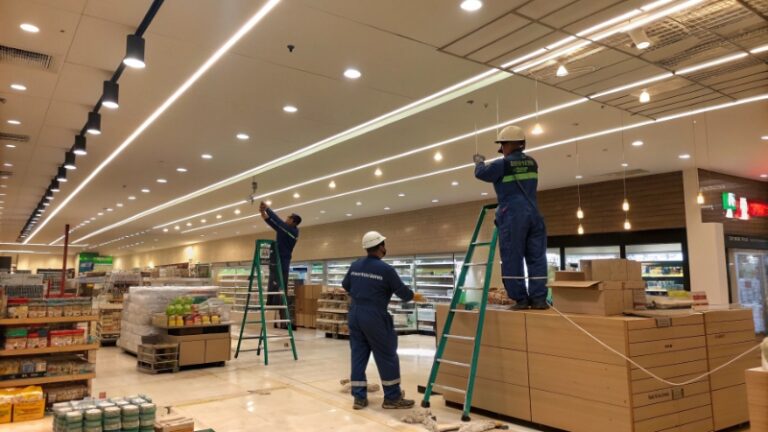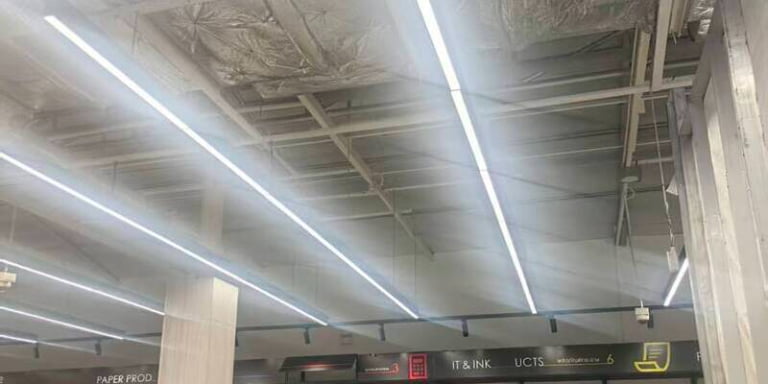
What is LED Linear Light?
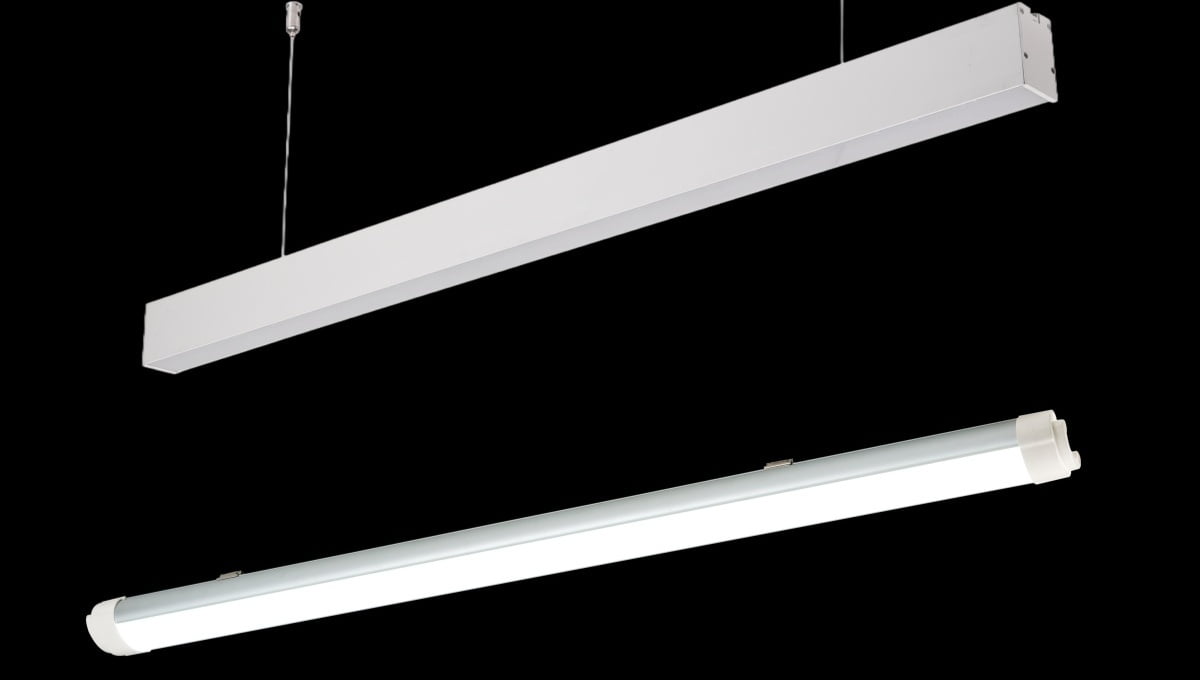
An LED linear light is a type of luminaire that features a long, narrow housing containing multiple Light Emitting Diodes (LEDs) arranged in a line. This design produces a continuous, uniform strip of light ideal for illuminating large areas evenly, providing task lighting, or creating architectural accents. Its versatility makes it suitable for offices, warehouses, retail spaces, and more.**
**This simple definition, however, only scratches the surface. In our experience, the real challenge for buyers isn't defining the product, but matching the right fixture to a specific environment and project goal. Let's explore the critical factors you need to consider.
How do you choose the right type of LED linear light for your project?
You've identified a need for linear lighting, but now you're faced with a catalog of options that all look vaguely similar. Choosing based on price or basic specs alone can lead to a solution that fails to meet aesthetic, performance, or safety standards.
The key is to start with the application. The "best" LED linear light is the one engineered for a specific purpose, whether it's for general office illumination, demanding industrial environments, or sophisticated architectural design.
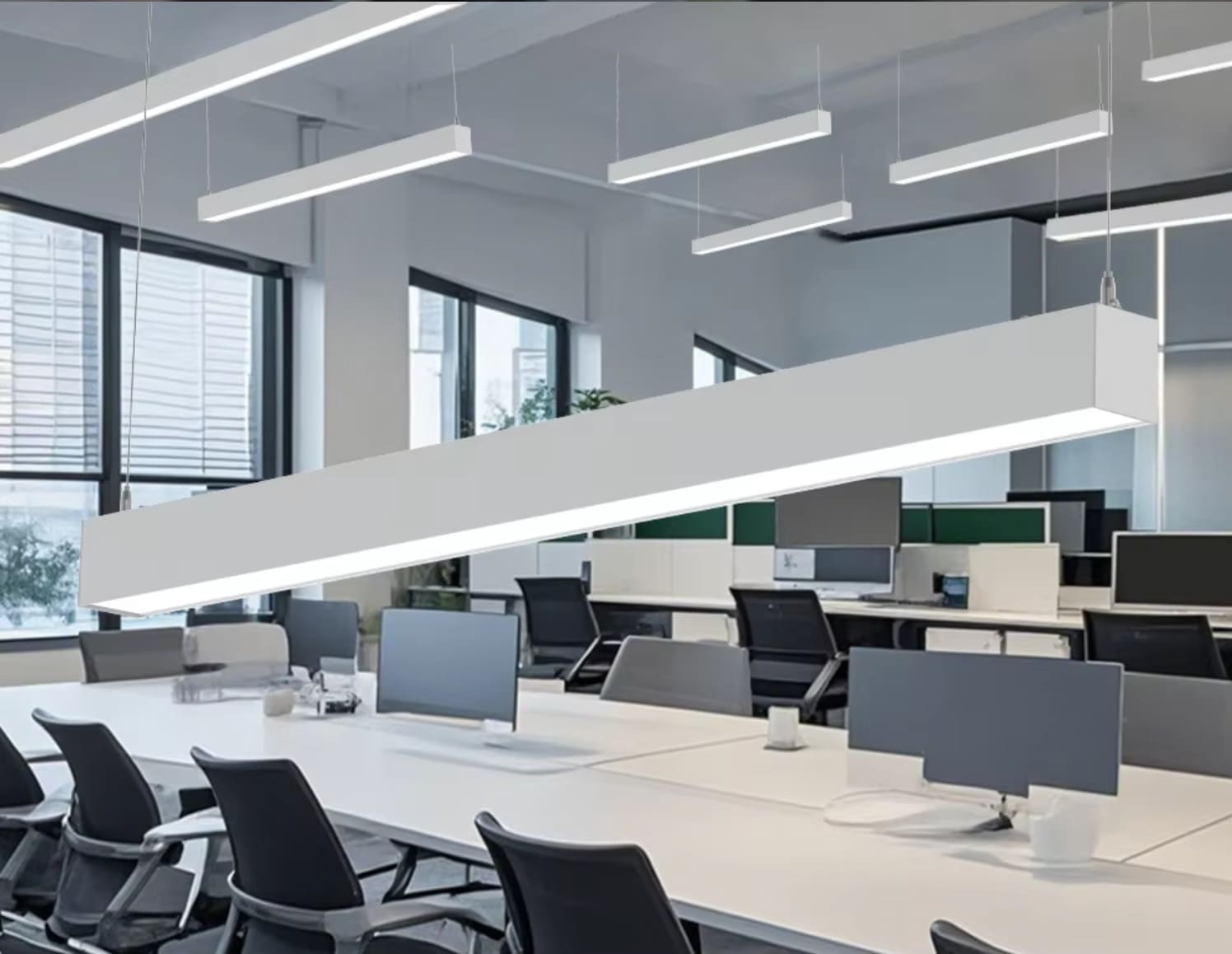
Dive Deeper: Matching the Luminaire to the Application
From over a decade of consulting with clients—from EPC contractors to lighting wholesalers—we've learned that the most successful projects begin with a clear understanding of the usage scenario. A fixture that excels in a climate-controlled office will likely fail in a dusty warehouse.
Here’s a breakdown of the primary application categories and what to look for in each.
H3: General and Commercial Illumination (Offices, Schools, Retail)
For spaces where people work, shop, and learn, the quality of light is paramount. The goal is to create a comfortable, productive, and visually appealing environment.
- Key Considerations:
- Low Glare: Look for fixtures with high-quality diffusers (frosted or prismatic) and designs that produce soft, even light. A low UGR (Unified Glare Rating) is often specified for office environments to reduce eye strain.
- High Color Rendering Index (CRI): A CRI of 80+ is standard, but for retail or showrooms where color accuracy is critical for showcasing products, a CRI of 90+ is highly recommended.
- Aesthetic Flexibility: Modern commercial spaces demand lighting that integrates with the architecture. Look for options like recessed, surface-mounted, or suspended fixtures. Many projects now call for customizable lengths and linkable systems to create seamless lines of light.
- Flicker-Free Drivers: In environments where people spend hours under artificial light, flicker-free performance is essential to prevent headaches and visual discomfort. Always verify the quality of the LED driver.
H3: Industrial and Task Lighting (Warehouses, Factories, Workshops)
In industrial settings, durability, efficiency, and safety are the top priorities. The lighting must withstand tougher conditions while providing clear, bright illumination for operational safety and productivity.
- Key Considerations:
- Durability and IP Rating: The fixture must be tough. Look for robust aluminum housings. For dusty or damp environments, an LED linear light with an IP65 rating (like a linear tri-proof light) is non-negotiable. This ensures it's protected against dust ingress and water jets.
- High Luminous Efficacy: Energy costs are a major operational expense in industrial facilities. A high efficacy (lumens per watt) translates directly to lower electricity bills. Aim for fixtures with an efficacy of 110 lm/W or higher.
- Thermal Management: Factories and warehouses can get hot. A well-designed heat sink is critical to dissipate heat from the LEDs, ensuring a long lifespan and stable performance. Poor thermal management is a leading cause of premature failure.
- Mounting and Maintenance: Installation in high-ceiling environments can be challenging. Choose fixtures with versatile mounting options (suspended, surface-mounted) and designs that allow for easy maintenance.

H3: Architectural and Accent Lighting
Here, the LED linear light becomes part of the design itself. It's used to highlight structural features, create ambiance, and guide visitors.
- Key Considerations:
- Profile and Form Factor: Slim, low-profile designs are often preferred to blend seamlessly into walls, ceilings, and joinery. Recessed or trimless fixtures are popular for a clean, minimalist look.
- Color Temperature (CCT) Options: The ability to choose from a range of color temperatures—from warm white (~2700K) to cool white (~6500K)—is essential for creating the desired mood.
- Dimmability and Controls: Integration with control systems (like 0-10V or DALI) allows for dynamic lighting scenes, energy savings, and enhanced user experience.
- Uniformity: For wall grazing or cove lighting, a perfectly uniform, dot-free line of light is crucial. This depends on the quality of the diffuser and the density of the LED chips.
What are the key technical specifications to evaluate for an LED linear light?
You're reviewing a supplier's spec sheet, and it's filled with acronyms and numbers—CRI, CCT, lm/W. Focusing on the wrong metrics or misunderstanding their meaning can lead to procuring a product that is either underpowered, inefficient, or renders colors poorly.
To make a smart comparison, you must focus on the four core metrics that define light quality and efficiency: Luminous Flux (lumens), Color Temperature (CCT), Color Rendering Index (CRI), and Luminous Efficacy (lm/W).
Dive Deeper: Translating Specs into Real-World Performance
When we talk to importers and project developers, we emphasize that these numbers aren't just abstract data; they directly predict how the light will perform in their specific project. A cheap LED linear light might boast high brightness but compromise on color accuracy or efficiency, ultimately costing more in the long run through poor user experience or high energy bills.
Let's break down what these specs mean from a procurement perspective.
| Specification | What It Is | Why It Matters for Procurement | Recommended Values by Application |
|---|---|---|---|
| Luminous Flux (lm) | The total amount of visible light emitted by the source. Simply put: brightness. | Insufficient lumens result in a poorly lit, unsafe space. Over-specifying wastes money and energy. It must be matched to ceiling height and task requirements. | Office: 300-500 lux on desks. Warehouse: 150-300 lux in open areas. Retail: 500-1000+ lux on displays. |
| Color Temperature (CCT) | The perceived color of the light, measured in Kelvin (K). Ranges from "warm" (yellowish) to "cool" (bluish). | CCT sets the mood and affects alertness. A mismatch can make a space feel uninviting or sterile. Consistency across a project is crucial. | Hospitality: 2700K-3000K (Warm). Office/School: 4000K (Neutral). Industrial/Task: 5000K-6500K (Cool). |
| Color Rendering Index (CRI) | The ability of a light source to reveal the true colors of objects, on a scale of 0-100. | Low CRI makes colors appear washed out or unnatural. This is critical in retail (for products) and art galleries, but also important for safety (distinguishing wire colors). | General Use: CRI 80+. Retail/Showroom: CRI 90+. Industrial: CRI 70-80 is often acceptable. |
| Luminous Efficacy (lm/W) | The efficiency of the luminaire, measured in lumens produced per watt of power consumed. | This is your return on investment. Higher efficacy means lower electricity bills for the same amount of light. It's a key indicator of total cost of ownership (TCO). | Good: 100-130 lm/W. Excellent: 130-160+ lm/W. Always ask for system efficacy, not just chip efficacy. |
When evaluating suppliers, don't just accept the numbers on the marketing materials. Ask for formal test reports (like IES files or LM-79 reports) to verify these claims. A reputable manufacturer will readily provide this documentation. In our experience, a supplier's willingness to share detailed, third-party verified data is a strong indicator of their commitment to quality.
Why is the construction and material quality of an LED linear light so important?
On the surface, many linear fixtures look alike. This makes it tempting to choose based on the lowest price. However, this is a common pitfall that can lead to rapid performance degradation, safety hazards, and a damaged professional reputation when fixtures fail prematurely.
The longevity and reliability of an LED linear light are determined not by its appearance, but by the quality of its unseen components: the housing, the heat sink, the diffuser, and the driver. These elements are critical for thermal management and durability.
Dive Deeper: A Look Inside the Fixture
As a manufacturer with our own aluminum die-casting workshop, we have first-hand control over the most critical structural component of our lights. The choice of materials and construction methods directly impacts performance, especially in demanding environments. Here’s what discerning buyers should scrutinize.
H3: The Foundation: Aluminum Housing and Thermal Management
The aluminum body of an LED linear light does more than just hold the components together—it acts as a heat sink. LEDs generate heat, and if that heat isn't effectively drawn away, their lifespan and light output will drop dramatically.
- Material: Look for fixtures made from high-grade aluminum alloy (like 6063 aluminum). It offers excellent thermal conductivity and structural integrity. Cheaper alternatives may use lower-grade recycled aluminum or even plastic, which cannot dissipate heat effectively.
- Design: A well-designed housing has fins or a large surface area to maximize heat dissipation into the surrounding air. The thickness of the aluminum profile is also a good indicator of its thermal capacity. When we design a new fixture, a significant portion of the engineering effort goes into thermal simulation to ensure optimal performance.
H3: The Face: Diffuser Material and Light Quality
The diffuser is the plastic cover that spreads the light from the individual LED chips. Its quality affects both the aesthetic and the long-term stability of the fixture.
- PC (Polycarbonate): Generally the superior choice. It offers high impact resistance (making it more durable) and better flame retardancy. UV-stabilized PC will resist yellowing over time.
- PMMA (Acrylic): Offers excellent optical clarity but is more brittle and can become yellow and fragile when exposed to UV light and heat over several years. It's often used in lower-cost fixtures.
In our consultations, we often advise clients with long-term projects to invest in fixtures with PC diffusers, as the slight upfront cost is easily justified by superior durability and stable appearance.
H3: The Heart: LED Chips and Drivers
The internal electronics are the engine of the luminaire.
- LED Chips: Reputable manufacturers use chips from established brands (e.g., Philips, Osram, Epistar). These brands offer better consistency in color, higher efficacy, and more reliable long-term performance (lumen maintenance).
- LED Driver: The driver is the power supply. It is the component most likely to fail first in a low-quality fixture. Look for drivers from well-known brands that offer protection against over-voltage, short-circuits, and overheating. A good driver also ensures flicker-free operation.
When you procure an LED linear light, you are investing in a system. Each component must be of high quality for the entire system to deliver on its promise of longevity and performance.
Frequently Asked Questions
What is the difference between an LED linear light and an LED tri-proof light?
An LED tri-proof light is a specialized type of LED linear light. While a standard linear light is designed for general indoor use (like offices), a tri-proof light is built to be waterproof (IP65/IP66), dustproof, and corrosion-proof for use in harsh environments like factories, car washes, and outdoor areas.
Can LED linear lights be dimmed or controlled?
Yes, many can. Look for models compatible with common dimming protocols like 0-10V, TRIAC, or DALI (Digital Addressable Lighting Interface). This allows for adjusting brightness to save energy or create different ambiances. Always confirm the control compatibility with your supplier before purchasing.
What is the typical lifespan of a quality LED linear light?
A high-quality LED linear light from a reputable manufacturer typically has a rated lifespan of L70 at 50,000 hours. This means that after 50,000 hours of operation, the fixture will still emit at least 70% of its initial light output. Lower-quality products may fail much sooner due to poor thermal management or low-grade components.
How does the mounting option affect my choice of linear light?
The mounting type—surface, suspended, or recessed—is a critical part of your decision. Suspended lights are great for high ceilings, surface-mounted fixtures are simple and direct, and recessed lights offer a clean, integrated look. Ensure the supplier offers the specific mounting kits and accessories your project requires.
Conclusion
Ultimately, the question "What is an LED linear light?" is more than a simple definition; it's the starting point of a crucial evaluation process. The best fixture is not the one with the highest specs on paper, but the one whose design, materials, and performance characteristics are perfectly aligned with your project's unique demands. By focusing on the application, scrutinizing key technical data, and demanding high-quality construction, you can move beyond the marketing claims and make a procurement decision that ensures reliability, efficiency, and long-term value for you and your clients.
As an OEM/ODM manufacturer with deep expertise in global markets, we specialize in helping our B2B partners navigate these complexities. If you are looking for a partner to help you develop and manufacture an LED linear light solution tailored to your project's exact needs, contact us to discuss your requirements.
Christina
B2B Sales & Product Expert
10+ years in LED & solar lighting manufacturing. Helping global wholesalers and EPC contractors source reliable OEM/ODM solutions from China.
Looking for a Reliable Lighting Partner?
We support low MOQ and offer customized engineering for commercial, industrial, and solar lighting projects globally. Partner with our Zhongshan/Jiangmen dual factories today.