
Are IP65 Downlights Suitable for Bathrooms?
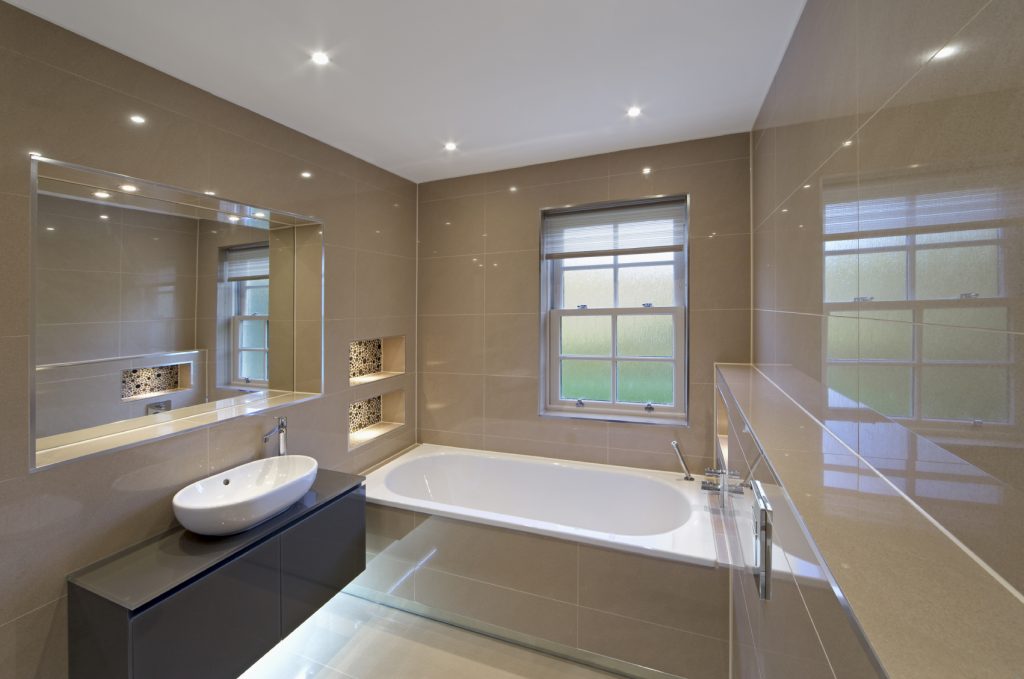
Are IP65 Downlights Suitable for Bathrooms?
Yes, IP65 downlights can be highly suitable for many bathroom applications, particularly in zones where they might encounter direct water spray or high humidity. However, suitability is not universal; it critically depends on the specific bathroom zone, the fixture's overall design beyond just the IP rating, local electrical codes, and your project's specific long-term performance and budget requirements.
Understanding the nuances of IP65 and how it interacts with practical installation factors is essential for making informed procurement decisions. what makes an IP65 downlight a smart choice for some bathrooms and how to avoid common pitfalls.
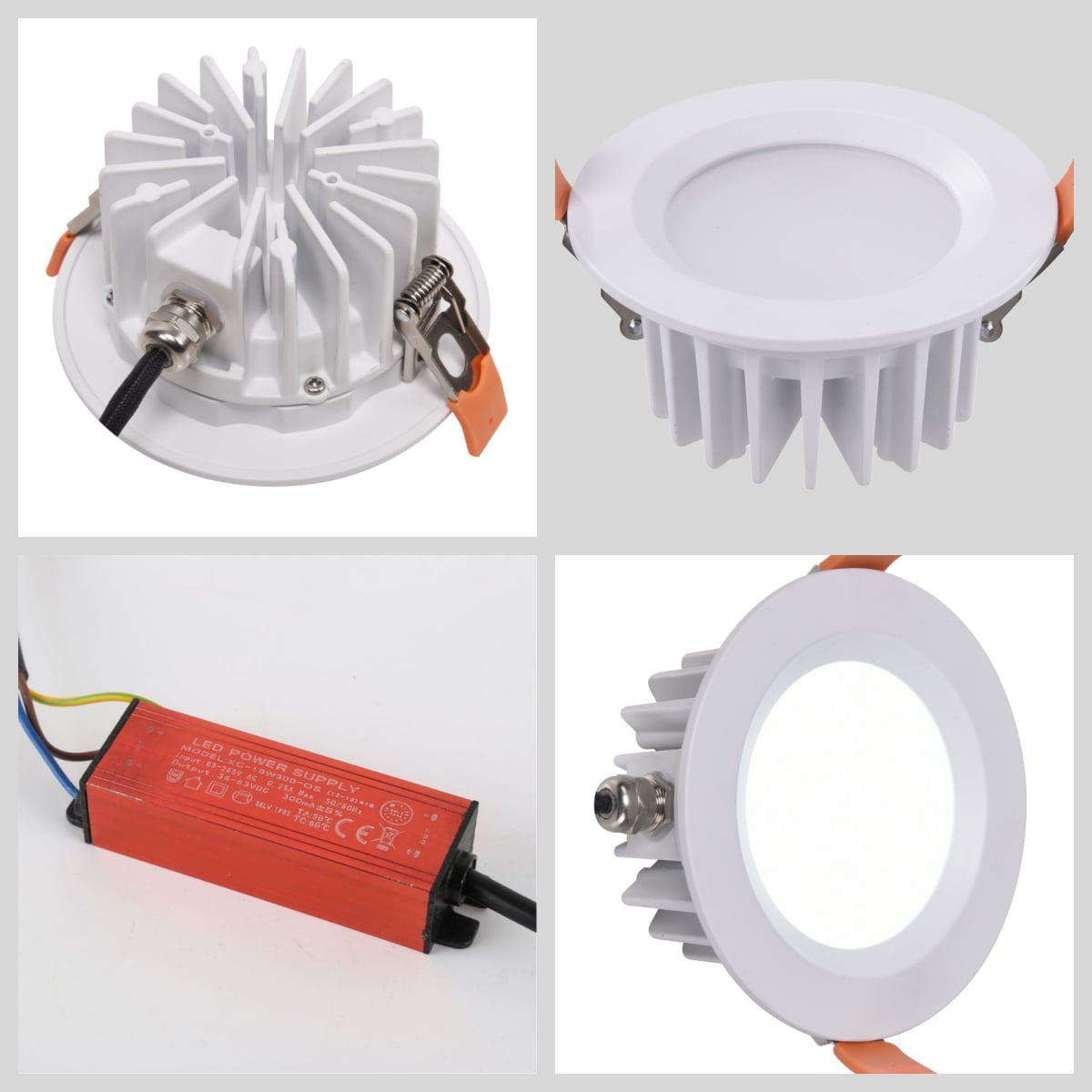
What Does IP65 Really Mean for Bathroom Lighting?
When evaluating lighting solutions for high-humidity or wet environments like bathrooms, one of the first specifications we encounter is the Ingress Protection (IP) rating. The problem for many buyers is that while they know "higher IP means more protection," the specific meaning of IP65 and its real-world implications for bathroom lighting are often unclear, potentially leading to improper product selection.
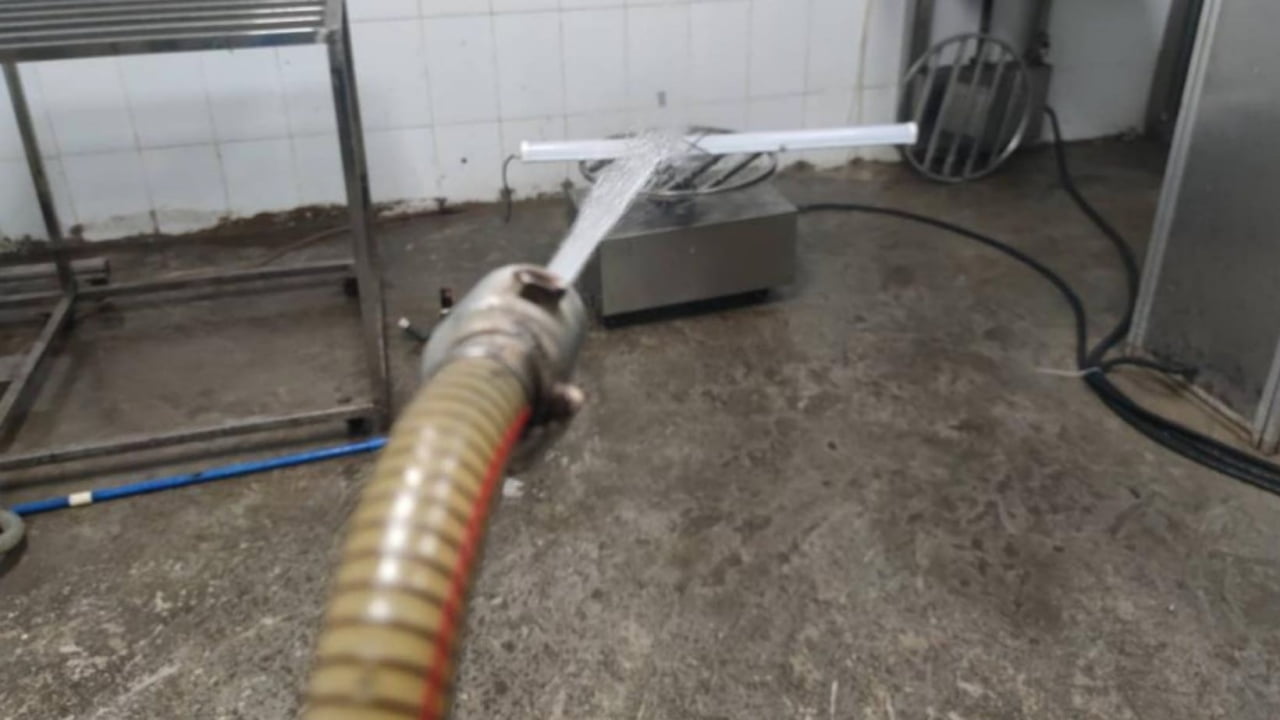
An IP65 rating indicates that a downlight is fully protected against dust ingress (the '6') and protected against low-pressure jets of water from any direction (the '5'). For bathroom lighting, this means the fixture can withstand splashes, shower spray, and sustained high humidity without internal damage, making it suitable for direct wet zones.
Deconstructing the IP Code for Wet Environments
From my experience in manufacturing and supplying LED lighting, the IP rating is a crucial indicator, but it's often oversimplified. The two-digit IP code, as defined by international standard IEC 60529, systematically classifies the degrees of protection provided against the intrusion of solid objects (including dust) and water into electrical enclosures.
- The First Digit (Solid Particle Protection):
- This digit ranges from 0 to 6. A '6' signifies the highest level of protection, indicating the downlight is "dust-tight." This means no ingress of dust is permitted, which is particularly beneficial in preventing fine particles from entering the fixture and affecting its optical or electrical components. In a bathroom, this might seem less critical than water, but it prevents the accumulation of dust and lint, which can affect light output and thermal performance over time.
- The Second Digit (Liquid Ingress Protection):
- This digit ranges from 0 to 9. A '5' indicates protection against "water jets." Specifically, the fixture can resist water projected by a nozzle (6.3mm) from any direction at a flow rate of 12.5 liters per minute for at least 3 minutes, at a distance of 3 meters. This level of protection is significant for areas like a shower enclosure where direct spray is expected.
Table: Common IP Ratings and Their Meanings
| First Digit (Solids) | Meaning | Second Digit (Liquids) | Meaning |
|---|---|---|---|
| 0 | No protection | 0 | No protection |
| 1 | >50mm (e.g., hand touch) | 1 | Dripping water (vertical) |
| 2 | >12.5mm (e.g., finger) | 2 | Dripping water (15° tilt) |
| 3 | >2.5mm (e.g., tools) | 3 | Spraying water |
| 4 | >1.0mm (e.g., wires) | 4 | Splashing water |
| 5 | Dust protected | 5 | Water jets (from any direction) |
| 6 | Dust-tight | 6 | Powerful water jets (from any direction) |
| 7 | Immersion, up to 1m depth | ||
| 8 | Immersion, 1m+ depth (specified by manufacturer) | ||
| 9K | High-pressure, high-temperature water jets (wash-down) |
From a manufacturer's perspective, achieving an IP65 rating involves specific design choices:
- Sealing Gaskets: High-quality silicone or EPDM gaskets are used around the bezel, lens, and internal compartments to prevent water and dust ingress.
- Encapsulation: Critical electronic components, especially the LED driver or module, may be encapsulated with epoxy or silicone.
- Cable Glands: The point where power cables enter the fixture must be sealed with robust cable glands.
- Material Selection: Corrosion-resistant materials like powder-coated die-cast aluminum or specialized plastics are preferred to withstand a humid environment over time.
It's vital to remember what IP65 does not mean. It does not mean the fixture is submersible (that would typically be IP67 or IP68). While it offers excellent protection against direct spray, prolonged immersion or extremely high-pressure jets are beyond its specified capabilities. For commercial projects, understanding this distinction is key to preventing costly failures. When we design IP65 downlights, we rigorously test them according to these standards, ensuring they meet the 'jet-proof' claim.
How Do Bathroom Zones Impact IP65 Downlight Selection?
A common pitfall in specifying bathroom lighting is treating the entire bathroom as a single entity, requiring the same level of protection everywhere. This oversight can lead to either under-specifying, resulting in safety hazards or short product lifespans, or over-specifying, which can needlessly inflate project costs and compromise profit margins.
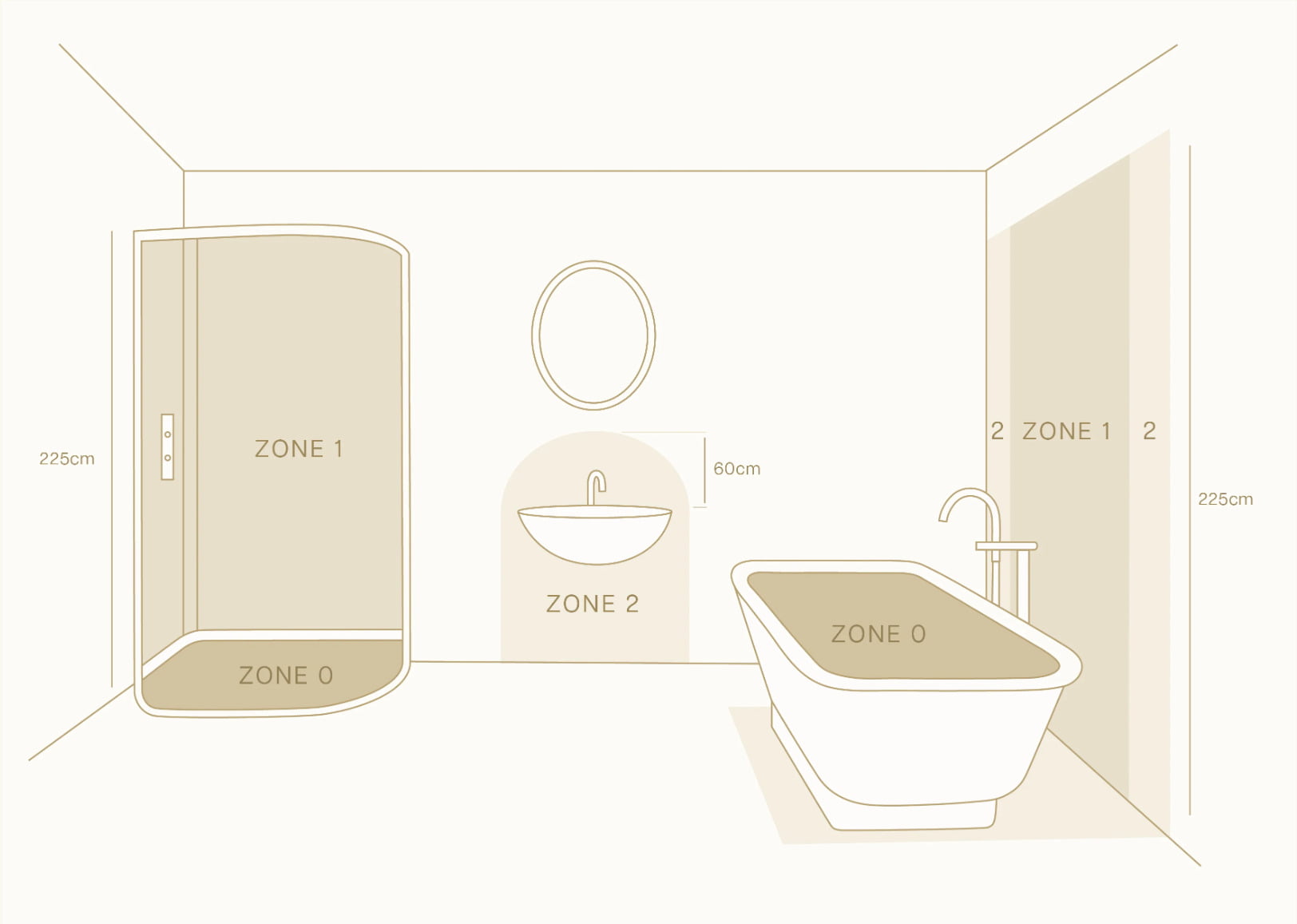
Bathroom lighting regulations divide the space into "zones" based on the proximity to water sources, each with specific minimum IP rating requirements. For IP65 downlights, their robust protection against dust and water jets makes them suitable for installation in Zone 1 and Zone 2, where direct water exposure or high humidity is expected, fulfilling typical safety and performance standards.
Navigating Bathroom Zones with IP Ratings
As an OEM/ODM supplier, we frequently guide our partners through the complexities of bathroom zoning, especially when they're targeting diverse international markets. While specific regulations can vary by country (e.g., IEC standards, local building codes like BS 7671 in the UK), the general principle of dividing a bathroom into zones remains consistent.
Understanding the Zones:
- Zone 0: Inside the bath or shower tray. This area is designed for products that can be submerged. It requires the highest IP rating, typically IPX7 or higher (fully submersible).
- Zone 1: Above the bath or shower up to 2.25 meters from the floor. This area is likely to experience direct spray.
- Minimum IP Recommendation: IPX4, but many codes recommend IPX5 or IPX6 for added safety and longevity.
- IP65 Downlights: An IP65 downlight is an excellent choice for Zone 1, as its protection against water jets (IPX5) surpasses the minimum and provides a good margin of safety against direct shower spray.
- Zone 2: Area extending 0.6 meters outside the perimeter of the bath or shower and 2.25 meters from the floor, or within 0.6 meters of a basin. This zone is likely to get splashed or experience high humidity.
- Minimum IP Recommendation: IPX4.
- IP65 Downlights: While IPX4 is the minimum, using an IP65 downlight in Zone 2 offers superior protection against splashes and consistent high humidity, contributing to a longer product lifespan and fewer maintenance issues. This can be a strategic choice for projects prioritizing durability.
- Outside Zones (Zone 3 / Unzoned Areas): Any area outside Zones 0, 1, and 2 where water jets are unlikely but humidity might still be present.
- Minimum IP Recommendation: Often IPX0 (no special water protection) is technically acceptable if unlikely to get wet, but IP20 is common, and IP44 is often preferred for general moisture resistance.
- IP65 Downlights: Using an IP65 downlight here would be over-specification purely for water protection. However, if a consistent aesthetic or simplified inventory is desired across an entire project, it might be chosen for other reasons.
Key Considerations for Buyers:
- Local Regulations: Always verify the specific electrical installation regulations for your target market. For example, some regions might enforce stricter requirements or slightly different zone definitions.
- Ventilation: A well-ventilated bathroom can reduce ambient humidity, potentially easing the demands on lighting fixtures in outside zones. However, areas within Zone 1 and 2 will always require high IP protection regardless of ventilation.
Specifying the exact bathroom zones where the IP65 downlights will be installed helps us recommend the most appropriate and cost-effective solutions, ensuring compliance and performance.
Beyond IP: What Other Factors Influence Downlight Performance in Bathrooms?
While IP65 guarantees robust water and dust protection, other factors like material corrosion resistance, thermal management, lens design, and electrical safety certifications are equally vital for ensuring optimal downlight performance, longevity, and aesthetics in humid bathroom settings.
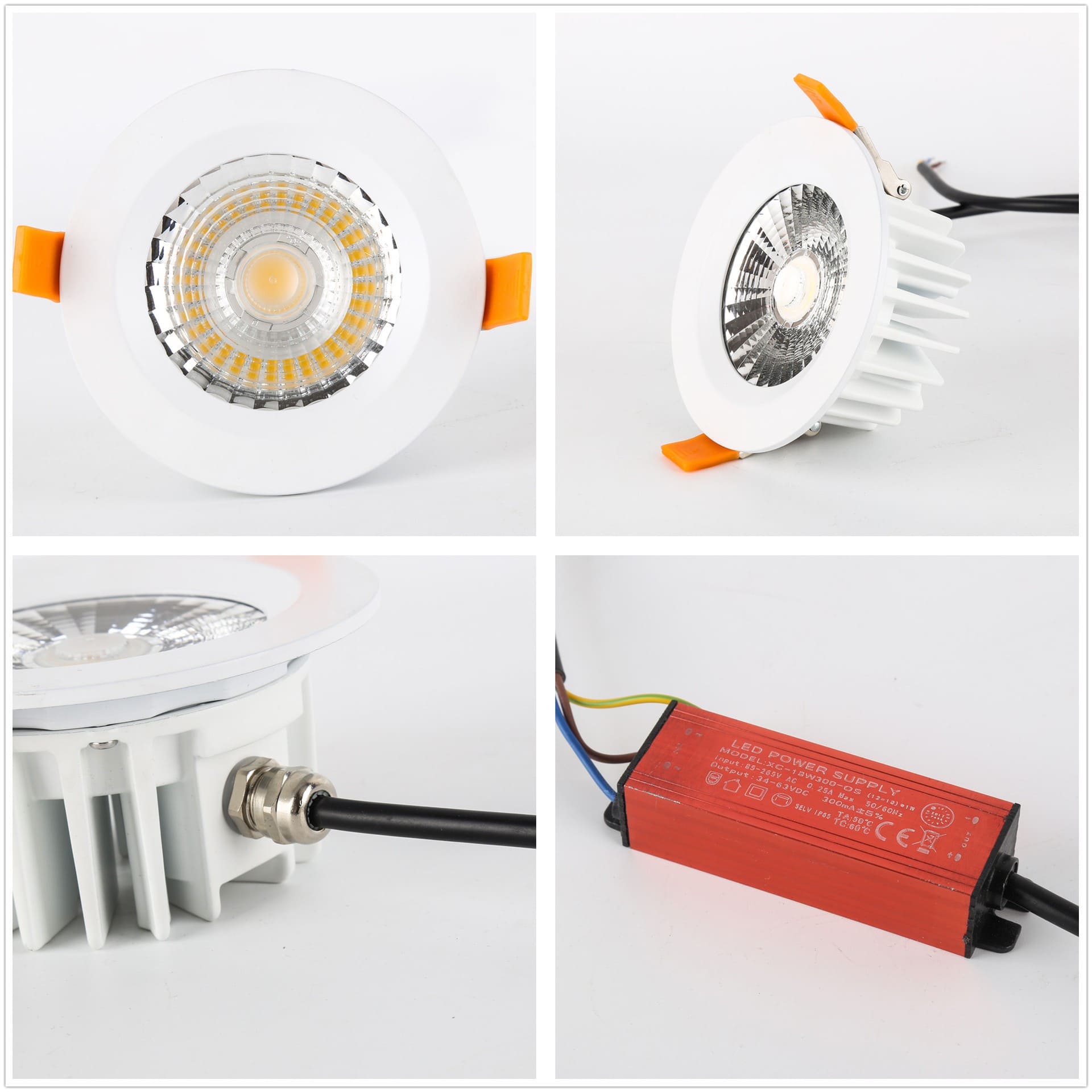
Holistic Evaluation of Bathroom Downlight Quality
As manufacturers who engineer IP65 downlights for diverse applications, we understand that true quality goes beyond a single specification. A downlight is an integrated system, and its weakest link determines its overall performance.
Here are the critical factors we consider and advise our clients to evaluate:
-
Material Selection and Corrosion Resistance:
- The Problem: Bathrooms are not just wet; they're humid and often contain cleaning agents or even saltwater in coastal regions. Standard metals can corrode or rust, compromising both aesthetics and structural integrity, regardless of the IP rating.
- Our Solution: For our IP65 downlights designed for wet areas, we prioritize corrosion-resistant materials. This often includes:
- Die-cast aluminum housing with specialized powder coating: This provides an excellent barrier against moisture and chemicals. We utilize our owned aluminum die-casting workshop to ensure material quality and consistent finishes.
- Stainless steel fasteners and springs: These resist rust, preventing structural failure or unsightly staining.
- High-grade plastic or tempered glass lenses: These maintain clarity and don't degrade under humidity.
- Insight: I've seen projects where downlights failed prematurely not because water got inside, but because the exterior housing corroded and fell apart due to poor material choice for the environment.
-
Thermal Management (Heat Dissipation):
- The Problem: LEDs generate heat. In an enclosed, humid bathroom ceiling void, heat dissipation can be significantly restricted. Poor thermal management accelerates LED degradation, reducing lifespan and lumen output, even in an IP65 downlight.
- Our Solution: Effective heat sinking is paramount.
- Robust Aluminum Heatsinks: Integrated into the downlight body, designed for maximum surface area to dissipate heat efficiently.
- Driver Location: External drivers often provide better heat separation from the LED chip, extending component life. However, external drivers must also be adequately protected against moisture in the ceiling void.
- Airflow Considerations: While IP65 downlights are sealed, the overall installation should allow for some ambient air movement around the fixture's non-sealed back portions where heat is dissipated.
- Insight: A project once experienced mass failures of "waterproof" downlights. The IP65 rating was legitimate, but the poor thermal design meant the LEDs overheated in tightly sealed ceiling voids, drastically shortening their lifespan.
-
Lens and Optical Design:
- The Problem: In humid environments, condensation on the lens can obscure light or cause "fogging," impacting light quality and visual appeal.
- Our Solution:
- Anti-fogging or optically clear lenses: Designed to resist condensation build-up.
- Sealed Optics: The IP65 rating ensures the LED module itself is protected, preventing moisture from entering the light engine.
- Insight: Even a perfectly sealed IP65 downlight can disappoint if the lens constantly fogs up. Optical engineering for high-humidity is a subtle but important detail.
-
Electrical Safety and Certifications:
- The Problem: Water and electricity are a dangerous combination. Beyond IP, local electrical safety standards or certifications (e.g., CE, RoHS) are non-negotiable for project compliance and safety.
- Our Solution: We ensure our IP65 downlights meet relevant international and regional safety standards. This includes proper insulation, earthing, and fire resistance. All our products are subjected to rigorous testing. We regularly work with importers and project developers to provide the necessary test documents for their target markets.
- Insight: An IP65 downlight might be waterproof, but if its wiring isn't insulated to the correct standard, it's still a hazard.
By considering these factors alongside the IP rating, buyers can procure IP65 downlights that are not only protected against water but also durable, safe, and perform optimally throughout their intended lifespan in demanding bathroom applications.
How Can Buyers Best Specify IP65 Downlights for Bathroom Projects?
Many buyers, including lighting wholesalers, EPC contractors, and project developers, often approach us with general requests for "bathroom downlights" or simply "IP65 downlights." While this is a starting point, it often lacks the detailed information we need to provide the most precise, cost-effective, and suitable solutions for their specific projects. This ambiguity can lead to lengthy clarification processes, delays, or even misaligned product recommendations.
To effectively specify IP65 downlights for bathroom projects, buyers should provide detailed information on the specific bathroom zones, expected water exposure, target market electrical standards, ceiling construction, desired lifespan, and project budget priorities. This comprehensive approach ensures the selected IP65 downlight perfectly matches the application's technical and commercial requirements.
A Strategic Approach to Downlight Procurement
As a manufacturer and OEM/ODM supplier specializing in commercial and industrial LED lighting, my team and I frequently engage in detailed discussions with clients to ensure product specifications are spot-on. For IP65 downlights in bathroom environments, a well-structured inquiry saves time, reduces risk, and optimizes value.
Here's a guide to what information empowers us to deliver the best solutions:
-
Clearly Define Bathroom Zones and Installation Locations:
- What we need: Specify whether the downlights are intended for Zone 1 (directly above a shower/bath), Zone 2 (adjacent to shower/basin), or outside zones. Provide details on mounting height relative to water sources.
- Why it's crucial: This directly informs the necessary IP rating. While an IP65 downlight is excellent for Zone 1, understanding the specific zone allows us to confirm if it's indeed required or if a more cost-effective IP44/IP54 might suffice for other areas, helping you avoid over-specification.
-
Describe Expected Water Exposure:
- What we need: Clarify if the fixture will experience direct spray (e.g., from a showerhead), heavy splashing, constant high humidity, or merely occasional condensation.
- Why it's crucial: This helps us assess if IP65's 'water jet' protection is genuinely necessary or if 'splash-proof' (IPX4) is enough. It also guides our recommendations on material choices to resist corrosion from specific water types (e.g., chlorinated pool areas vs. standard bathrooms).
-
Specify Target Market Electrical Standards and Certifications:
- What we need: List all relevant electrical safety standards and certifications required for your target market (e.g., CE, RoHS, SAA).
- Why it's crucial: Compliance is non-negotiable. As a manufacturer with global market expertise, we understand that an IP65 downlight must not only be waterproof but also legally compliant. Providing this upfront allows us to confirm if which certifications cover your needs or if specific testing/documentation is required.
-
Provide Ceiling and Installation Details:
- What we need: Information on ceiling material (e.g., plasterboard, concrete, suspended ceiling), available void depth, desired cut-out diameter, and if the driver will be integrated or remote.
- Why it's crucial: This affects the downlight's physical fit, thermal management, and ease of installation. A compact IP65 downlight might be necessary for shallow voids, while proper heat dissipation space is critical for LED longevity.
-
State Desired Product Lifespan and Warranty Expectations:
- What we need: Your target operational hours (e.g., L70 at 50,000 hours) and warranty period.
- Why it's crucial: This influences component selection (e.g., driver quality, LED chip brand) and overall fixture design. For example, ensuring an IP65 downlight maintains its seals and thermal performance over a very long lifespan requires premium components.
-
Outline Project Budget and Commercial Priorities:
- What we need: An understanding of your budget constraints and whether your priority is the lowest unit cost, maximum longevity, specific aesthetic requirements, or a rapid delivery schedule.
- Why it's crucial: This helps us tailor our OEM/ODM offering. We can advise on trade-offs and suggest custom solutions that balance cost-effectiveness with performance, ensuring your project with IP65 downlights is commercially successful.
By providing these detailed insights, buyers can engage with us more efficiently. This collaborative approach ensures that the IP65 downlights we supply are precisely engineered and manufactured to meet the specific demands of your bathroom projects, minimizing risks and maximizing value.
Frequently Asked Questions
Is IP65 fully waterproof for bathrooms?
No, IP65 is not fully waterproof in the sense of being submersible. It means the downlight is "dust-tight" (level 6) and protected against low-pressure water jets from any direction (level 5), making it highly resistant to splashes and direct spray in bathrooms, but not immersion-proof.
Can IP44 downlights be used in bathrooms?
Yes, IP44 downlights can be used in certain bathroom areas, specifically in Zone 2 (adjacent to a shower/bath, within 0.6m) and outside zones, where splashing is possible but direct water jets are unlikely. For areas directly above a shower (Zone 1), IP65 is generally a safer and more compliant choice.
Does IP65 rating affect the light output or beam angle?
Indirectly, yes. The robust sealing required for an IP65 rating can impact thermal management if not expertly designed, which in turn affects LED lifespan and lumen maintenance. The lens material, chosen for water resistance, might also slightly influence light transmission, but advanced optical design minimizes this effect.
What materials are best for IP65 bathroom downlights to prevent corrosion?
For IP65 bathroom downlights, materials with excellent corrosion resistance are crucial. We typically use high-grade die-cast aluminum with specialized powder coatings, along with stainless steel fasteners and springs. These materials withstand humidity, steam, and common bathroom chemicals, ensuring longevity.
How do I ensure the IP65 rating remains intact during installation?
To maintain the IP65 rating, proper installation is critical. Ensure all seals and gaskets are correctly seated, tighten all screws to specifications, and use appropriate sealed cable glands where power cables enter the fixture. Any modification or improper handling can compromise the rating.
Conclusion
The question of whether IP65 downlights are suitable for bathrooms isn't a simple yes or no; it demands a nuanced understanding of specific application needs, local regulations, and product design. While IP65 fixtures offer robust protection against dust and water jets, making them ideal for areas with direct water exposure, an informed procurement strategy goes beyond this single rating. Considering bathroom zoning, material corrosion resistance, thermal management, and relevant certifications is paramount for ensuring long-term performance and commercial viability.
By providing detailed project requirements to your supplier, you enable the selection of IP65 downlights that are perfectly aligned with both technical specifications and budget constraints. As an experienced OEM/ODM manufacturer, We invite you to contact us with your detailed project requirements, allowing us to engineer and supply the precise IP65 downlights your bathroom projects demand.
Christina
B2B Sales & Product Expert
10+ years in LED & solar lighting manufacturing. Helping global wholesalers and EPC contractors source reliable OEM/ODM solutions from China.
Looking for a Reliable Lighting Partner?
We support low MOQ and offer customized engineering for commercial, industrial, and solar lighting projects globally. Partner with our Zhongshan/Jiangmen dual factories today.